Introduction
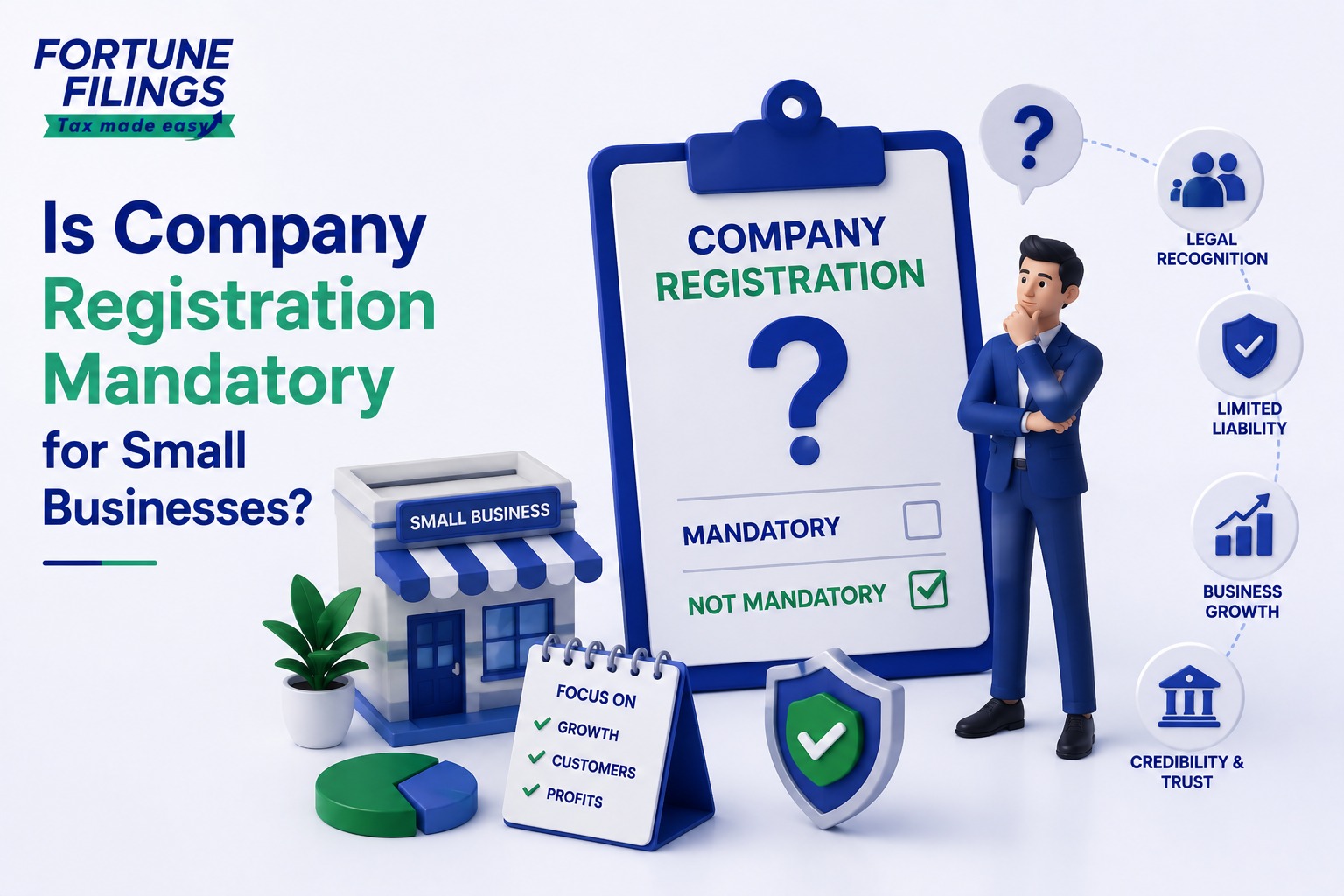
Is Company Registration Mandatory for Small Businesses? This is one of the most common questions asked by entrepreneurs, freelancers, shop owners, and startup founders when starting a new venture. Many business owners begin operations informally and wonder whether registering a company is legally required from day one.
The answer depends on several factors, including the type of business structure, annual turnover, business activities, and future growth plans. While every small business does not necessarily need to register as a Private Limited Company or LLP immediately, legal registration often provides significant advantages in terms of credibility, compliance, funding opportunities, and business expansion.
For entrepreneurs considering Company Registration in Chennai, understanding when registration becomes necessary can help avoid legal issues and support long-term business growth. Choosing the right business structure at the right stage is essential for building a successful and compliant business.
Are You Running a Business Without Registration?
Many small businesses operate informally in their early stages.
However, this can create challenges such as:
Difficulty opening business bank accounts
Limited access to funding
Lower credibility with customers
Restrictions on government tenders
Compliance risks as the business grows
Understanding registration requirements can help you make informed decisions.
Quick Summary
Company registration is not mandatory for every small business.
Sole proprietorships can operate without company incorporation.
LLPs and Private Limited Companies require registration.
Registered businesses enjoy greater credibility.
Company registration supports growth and funding opportunities.
The right structure depends on business goals.
What Is Company Registration?
Company registration is the legal process of incorporating a business under the Ministry of Corporate Affairs (MCA).
Once registered, the business receives:
Legal recognition
Separate legal identity
Corporate status
Compliance obligations
Common registered business structures include:
Private Limited Company
Limited Liability Partnership (LLP)
One Person Company (OPC)
Registration helps businesses operate within a formal legal framework.
Is Company Registration Legally Mandatory?
The simple answer is:
No, company registration is not mandatory for every small business.
A person can legally start a business as a sole proprietorship without incorporating a company.
Examples include:
Small retail shops
Freelancers
Local service providers
Home-based businesses
However, as the business grows, formal registration often becomes beneficial and, in some cases, necessary.
Business Structures That Do Not Require Company Registration
Sole Proprietorship
A sole proprietorship is the simplest form of business.
Characteristics include:
Single owner
Easy setup
Minimal compliance
No separate legal identity
Although incorporation is not required, businesses may still need:
GST registration
Trade licenses
Shop and Establishment registration
Professional tax registration
depending on the nature of operations.
Business Structures That Require Registration
1. Private Limited Company
A Private Limited Company must be registered with the MCA.
Benefits include:
Limited liability protection
Separate legal identity
Better investor confidence
Easier fundraising
Many startups choose this structure because of its scalability.
2. Limited Liability Partnership (LLP)
An LLP also requires formal registration.
Benefits include:
Limited liability
Lower compliance burden
Flexible management structure
LLPs are popular among consultants, agencies, and professional firms.
3. One Person Company (OPC)
OPCs allow solo entrepreneurs to operate under a corporate structure while retaining full ownership.
Registration is mandatory for OPCs.
Why Small Businesses Choose Company Registration
Even when registration is not legally required, many businesses choose to register because of the benefits.
1. Improved Credibility
Registered businesses appear more professional to:
Customers
Vendors
Financial institutions
Corporate clients
This often helps attract larger business opportunities.
2. Limited Liability Protection
One major advantage of company registration is limited liability.
This means:
Personal assets remain protected.
Business liabilities stay separate.
This protection is unavailable in traditional sole proprietorships.
3. Easier Access to Funding
Investors and banks generally prefer registered businesses.
Company registration improves:
Loan eligibility
Investment opportunities
Venture capital readiness
This is especially important for startups planning rapid growth.
4. Better Business Continuity
Registered entities enjoy perpetual succession.
This means the business continues even if ownership changes.
Such continuity is valuable for long-term business planning.
5. Government Tenders and Contracts
Many government projects and corporate contracts require:
Registered business status
GST compliance
Legal business identity
Company registration helps businesses access these opportunities.
When Should a Small Business Consider Registration?
Consider company registration if:
You plan to hire employees.
You want to raise funding.
Your business is growing rapidly.
You serve corporate clients.
You want limited liability protection.
You operate across multiple locations.
These factors often indicate that formal registration is beneficial.
Common Situations Where Registration Becomes Necessary
Registration often becomes important when:
Expanding Operations
Growing businesses require structured management and legal protection.
Working with Large Clients
Many corporations prefer dealing with registered entities.
Seeking Investment
Investors generally avoid unregistered businesses.
Building a Brand
Registered companies often establish stronger market trust.
Why Company Registration Is Important for Small Businesses in Chennai
Businesses considering Company Registration in Chennai often choose formal registration to support future growth and compliance.
Benefits include:
Improved business credibility
Better access to funding
Legal recognition
Easier GST registration
Eligibility for larger contracts
As Chennai continues to attract startups and entrepreneurs, registered business structures provide a strong foundation for sustainable growth.
Common Mistakes Small Business Owners Make
Avoid these common mistakes:
Delaying registration despite business growth
Choosing the wrong business structure
Ignoring compliance requirements
Mixing personal and business finances
Failing to plan for future expansion
Professional guidance can help avoid these issues.
Conclusion
The answer to "Is Company Registration Mandatory for Small Businesses?" depends on the type of business and future goals. While small businesses can legally operate as sole proprietorships without company incorporation, formal registration often becomes valuable as the business grows.
From improved credibility and limited liability protection to funding opportunities and business expansion, company registration offers several advantages that support long-term success. For entrepreneurs considering Company Registration in Chennai, choosing the right business structure early can help build a stronger and more sustainable business foundation.