Introduction
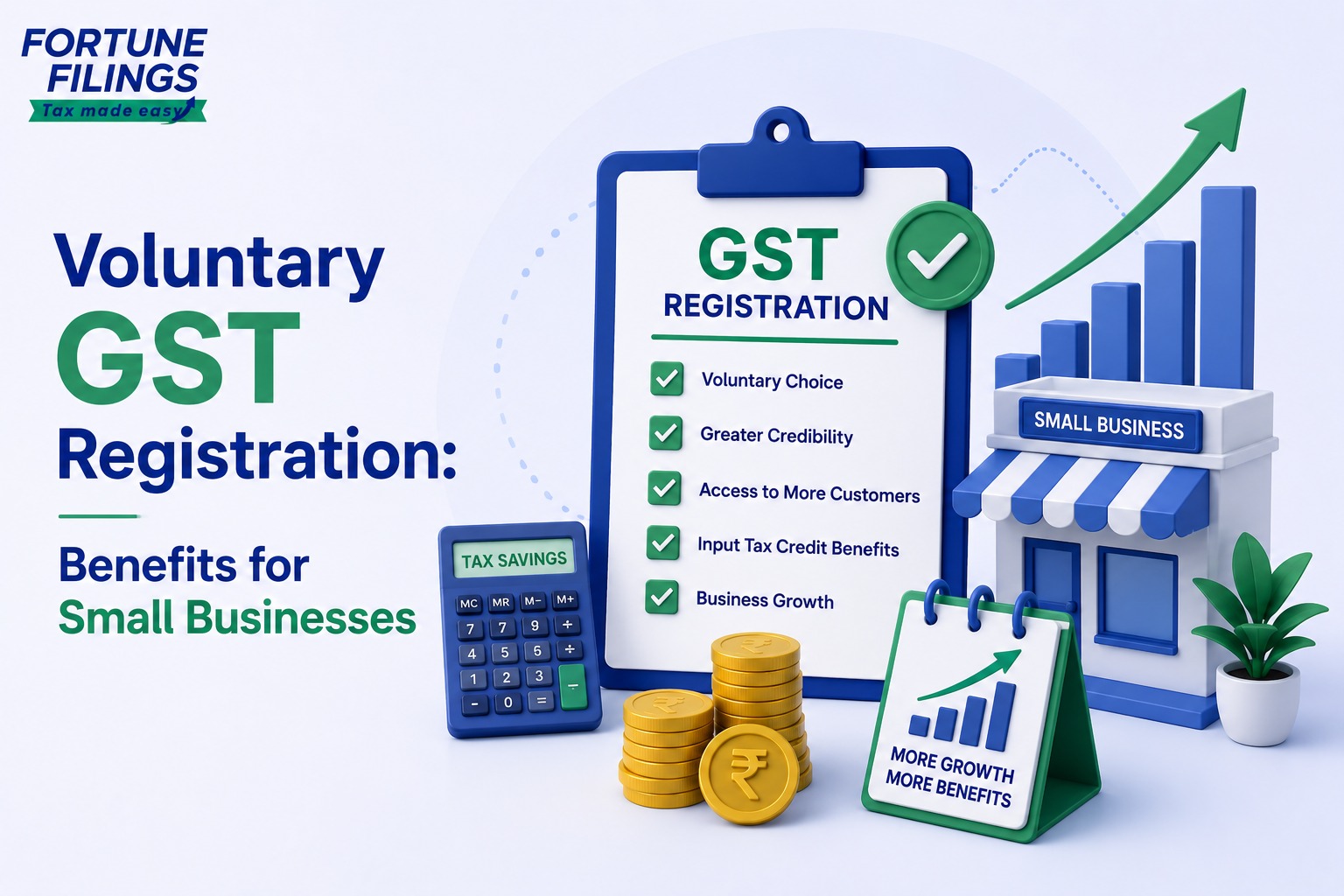
Voluntary GST Registration is becoming increasingly popular among startups, freelancers, consultants, and small businesses looking to establish credibility and prepare for future growth. While GST registration is mandatory once a business crosses the prescribed turnover threshold, many businesses choose to register voluntarily even before reaching that limit.
The decision often depends on factors such as business goals, client requirements, interstate transactions, and long-term expansion plans. For many entrepreneurs, voluntary registration offers benefits that extend beyond tax compliance, including improved business reputation and access to Input Tax Credit (ITC).
Businesses considering GST Registration in Chennai frequently explore voluntary registration as a strategic step to strengthen their market presence and attract larger clients. Understanding the advantages and potential challenges can help business owners determine whether voluntary GST registration is the right choice.
Are You Waiting to Cross the GST Threshold?
Many business owners delay GST registration because they believe it is only necessary after crossing the turnover limit.
However, voluntary registration can help:
Build trust with clients
Claim Input Tax Credit
Expand business opportunities
Improve professional credibility
Prepare for future growth
Understanding these benefits can help you make a smarter business decision.
Quick Summary
GST registration is not always mandatory.
Businesses can voluntarily register under GST.
Input Tax Credit is a major advantage.
Corporate clients often prefer GST-registered vendors.
Voluntary registration improves business credibility.
Startups can prepare for future expansion.
What Is Voluntary GST Registration?
Voluntary GST registration refers to registering under GST even when your business turnover is below the mandatory registration threshold.
Normally, GST registration becomes compulsory when:
Service providers exceed the applicable turnover limit.
Businesses fall under specific mandatory registration categories.
However, businesses that do not meet these requirements can still choose to register voluntarily.
Once registered, they must comply with all GST rules, including return filing and tax invoicing requirements.
Who Can Apply for Voluntary GST Registration?
Any eligible business can apply.
This includes:
Startups
Freelancers
Consultants
Digital marketing agencies
Small businesses
Partnership firms
LLPs
Private Limited Companies
Voluntary registration is especially common among businesses planning rapid growth.
Top Benefits of Voluntary GST Registration
1. Improved Business Credibility
One of the biggest advantages of voluntary GST registration is enhanced credibility.
A GST-registered business often appears:
More professional
More reliable
More established
Many clients prefer dealing with GST-registered vendors because it reflects tax compliance and transparency.
2. Claim Input Tax Credit (ITC)
Voluntary registration allows businesses to claim Input Tax Credit on eligible purchases.
Common expenses include:
Office rent
Internet bills
Software subscriptions
Professional services
Marketing expenses
This can significantly reduce the overall tax burden.
Example
Expense
GST Paid
Software Subscription
₹1,800
Office Rent
₹3,600
Internet Services
₹900
Total ITC Available
₹6,300
Without GST registration, this tax amount becomes an additional business expense.
3. Better Opportunities with Corporate Clients
Many large organizations require vendors to provide:
GSTIN
GST-compliant invoices
Tax documentation
Businesses without GST registration may struggle to onboard corporate clients.
For startups targeting enterprise customers, voluntary registration often creates new business opportunities.
4. Easier Interstate Business Expansion
If your business serves customers across multiple states, GST registration simplifies taxation and compliance.
This is particularly beneficial for:
Online businesses
Service providers
Digital agencies
Consultants
Voluntary registration helps businesses expand confidently across India.
5. Improved Business Growth Potential
As businesses grow, GST registration eventually becomes mandatory.
Registering early helps entrepreneurs:
Build compliance systems
Maintain proper records
Avoid future registration pressure
This creates a stronger foundation for long-term growth.
Potential Drawbacks of Voluntary GST Registration
While the benefits are substantial, business owners should also understand the responsibilities involved.
Compliance Requirements
Registered businesses must:
File GST returns
Maintain records
Issue GST invoices
Follow GST regulations
Failure to comply can result in penalties.
Administrative Responsibilities
Businesses must spend time on:
Accounting
Tax filing
Documentation
Record maintenance
Small businesses should consider whether they have adequate resources to manage these obligations.
Voluntary GST Registration for Startups
Many startups register voluntarily because:
Investors prefer compliant businesses.
Corporate clients require GST invoices.
Input Tax Credit reduces costs.
Business credibility improves.
For startups planning aggressive growth, voluntary registration can be a valuable strategic decision.
Voluntary GST Registration for Service Providers
Service providers often benefit significantly from GST registration.
Examples include:
Digital marketing agencies
Freelancers
Consultants
Web developers
Architects
Designers
Since many clients expect GST-compliant invoicing, registration can improve client acquisition opportunities.
Voluntary GST Registration for Small Businesses
Small businesses often choose voluntary registration to:
Increase trust
Improve competitiveness
Claim tax credits
Prepare for expansion
For businesses aiming to work with larger organizations, GST registration often becomes a practical necessity.
Why Voluntary GST Registration Is Important for Businesses in Chennai
Businesses seeking GST Registration in Chennai increasingly opt for voluntary registration to strengthen their market position.
Benefits include:
Better client confidence
Easier vendor onboarding
Corporate contract eligibility
Access to Input Tax Credit
Improved business reputation
As Chennai continues to grow as a major business hub, GST compliance can provide a competitive advantage.
When Should You Consider Voluntary GST Registration?
Consider registration if:
You serve business clients.
You plan interstate transactions.
You want to claim ITC.
You expect rapid growth.
Your clients request GST invoices.
In such cases, voluntary registration often delivers long-term value.
Conclusion
Voluntary GST Registration can be a valuable strategic decision for startups, freelancers, consultants, and small businesses aiming for long-term growth. While it introduces additional compliance responsibilities, the benefits often outweigh the challenges.
From claiming Input Tax Credit and improving credibility to accessing larger business opportunities, voluntary registration can help businesses build a stronger foundation. For entrepreneurs considering GST Registration in Chennai, registering before reaching the mandatory threshold may provide a competitive advantage and support future expansion plans.